
Financial tracking isn't about spreadsheets. It's about understanding where your money actually goes and making that visible.
We started in 2025 because too many people set financial goals that disappeared within weeks. Not from lack of motivation, but from lack of systems. You can't adjust what you can't see, and most tracking tools either overwhelm you with data or oversimplify to the point of uselessness.
Our seminars teach practical methods that people actually use months later. We focus on the mechanics of tracking: what to measure, when to review, how to spot patterns that matter. The kind of detail that lets you fix problems instead of just noticing them.

Why we built this differently
Most financial education focuses on budgeting advice or investment strategies. That's useful, but it skips the foundation: knowing what's actually happening with your money right now. People fail at financial goals because they lose track midway, not because they picked the wrong goal.
We built seminars around visibility and consistency. You learn to create tracking systems that match your actual financial situation, not theoretical best practices. The sessions include specific examples from participants who've maintained their systems for six months or longer, showing what works when initial motivation fades.
Our facilitators have backgrounds in financial planning, behavioral economics, and data analysis. They understand both the numbers and the psychology of why people stop tracking. Sessions emphasize problem-solving: when your expenses suddenly spike, when irregular income makes monthly tracking useless, when you need to coordinate with a partner who handles money completely differently.

Real-time feedback loops
You track expenses as they happen, review weekly, and adjust monthly. The system shows you patterns within days, not months. Participants build dashboards that highlight anomalies automatically, so you notice the $147 subscription renewal before it compounds.
Customizable frameworks
We provide templates, but you modify them based on your income structure, spending patterns, and financial complexity. Freelancers track differently than salaried employees. Parents track differently than singles. The framework adapts to what you actually need to monitor.
Peer accountability systems
Sessions include structured check-ins where participants share what's working and what broke. You learn from someone who solved the exact problem you're facing now. The group format creates natural accountability without judgment or pressure.
Who facilitates the seminars
Our facilitators combine professional financial experience with practical teaching skills. They've worked with hundreds of participants across different income levels and financial situations. Each session includes live problem-solving where facilitators walk through real scenarios submitted by participants.

Oskar Brennvik
Financial Systems Design
Previously built tracking systems for mid-size companies before shifting to individual education. Focuses on helping people create sustainable monitoring habits that don't require daily maintenance but still catch problems early.
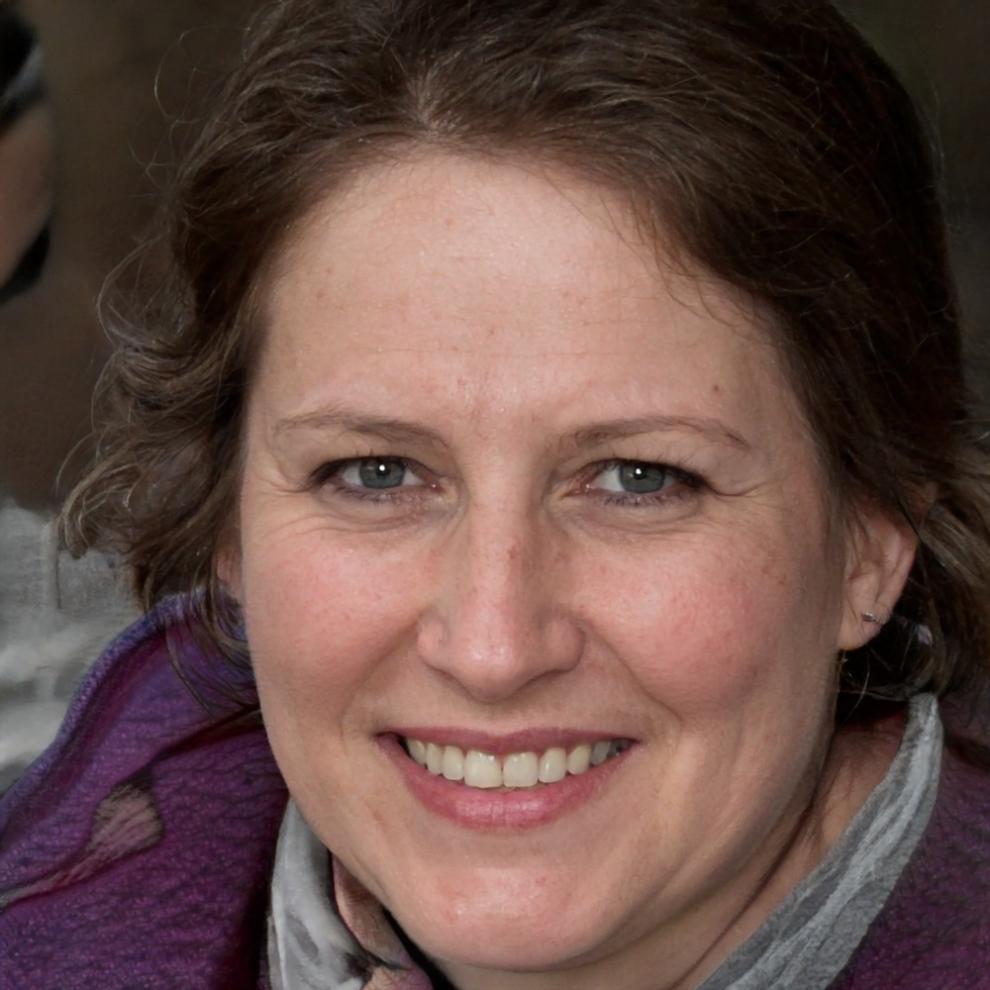
Inara Jekabsone
Behavioral Finance Application
Researched why people abandon financial tracking systems and developed methods to counter common failure points. Specializes in helping participants build tracking routines that fit their actual schedules and decision-making patterns.
What guides our approach
These principles shape how we design content, run sessions, and support participants after seminars end.
Every concept includes specific implementation steps. We don't teach financial theory without showing exactly how to apply it. Sessions demonstrate tools, walk through setup processes, and address common technical problems participants encounter.
You leave with working systems, not homework assignments. The goal is immediate applicability, not eventual understanding.
Tracking doesn't solve financial problems by itself. It reveals them. We're clear about what our methods can and cannot accomplish. Good tracking shows you're spending $340 monthly on food delivery, but you still have to decide whether to change that.
Sessions focus on building visibility and measurement systems, not promising specific financial outcomes. The value is in knowing your actual situation with precision.
Systems that require daily attention fail within weeks. We teach tracking methods that work with minimal ongoing effort once established. Automated data collection, weekly reviews that take 15 minutes, monthly adjustments that prevent system decay.
The goal is building something you'll still be using a year from now, not something impressive for the first month.
Session content adapts based on what participants actually struggle with. We track common questions and update materials accordingly. If multiple people can't figure out how to handle irregular income, that becomes a dedicated segment.
Facilitators address real problems from real situations. Generic advice gets replaced with specific solutions that match what participants are dealing with right now.
Expense categorization system
Custom categories that match how you actually spend money, not generic budget templates. Includes rules for edge cases and unclear transactions.
Automated data collection
Connections between bank accounts, credit cards, and tracking tools that update automatically. Reduces manual entry to irregular or cash transactions.
Review schedule and checklist
Specific times for weekly reviews and monthly analysis. Includes what to check, what to ignore, and when to make adjustments to your tracking system.
Goal monitoring dashboard
Visual displays showing progress toward specific financial targets. Updates automatically based on tracked data, highlighting when you're off track before it becomes a major problem.

Sessions are interactive, not lectures
You build your tracking system during the seminar, not afterward. Facilitators work through your specific financial situation, help you set up tools, and troubleshoot problems as they appear. Other participants share what worked for similar situations.
The format includes live demonstrations, group problem-solving sessions, and individual setup time with facilitator support. You leave with a functioning system, not a list of things to implement later.
Sessions run for 90 minutes with breaks structured around natural transition points. Remote format allows screen sharing so facilitators can walk you through technical setup steps directly.
Current enrollment details
Two seminar tracks available now for immediate enrollment
Foundation Track
For people starting financial tracking from scratch or rebuilding after previous systems failed. Covers basic categorization, tool selection, automation setup, and establishing review routines. Four 90-minute sessions over two weeks.
Format
Live remote sessions
Group size
Maximum 12 participants
Advanced Track
For people with existing tracking systems who want to improve accuracy, add forecasting capability, or coordinate tracking with partners. Assumes basic familiarity with financial tracking concepts. Three intensive 120-minute sessions.
Prerequisites
6+ months tracking experience
Group size
Maximum 8 participants
After the seminar ends
Participants get access to ongoing support resources. Monthly group check-ins where you can ask questions and share updates. Template library that grows based on participant contributions. Technical troubleshooting assistance when tracking tools break or change.
We track how many participants maintain their systems six months later. Current rate is 73% still actively tracking with the system they built during seminars. That's the metric we optimize for, not initial enrollment numbers.
The goal is sustainable practice, not temporary motivation.


Questions about the seminars?
Contact us for session schedules, technical requirements, or specific questions about whether a particular track fits your situation.
Get enrollment information